Do Your Customers Have Delicate Suits and Dresses? How to Transport Them Safely During a Move
Tailored pieces deserve better than cardboard: how to avoid damage claims.
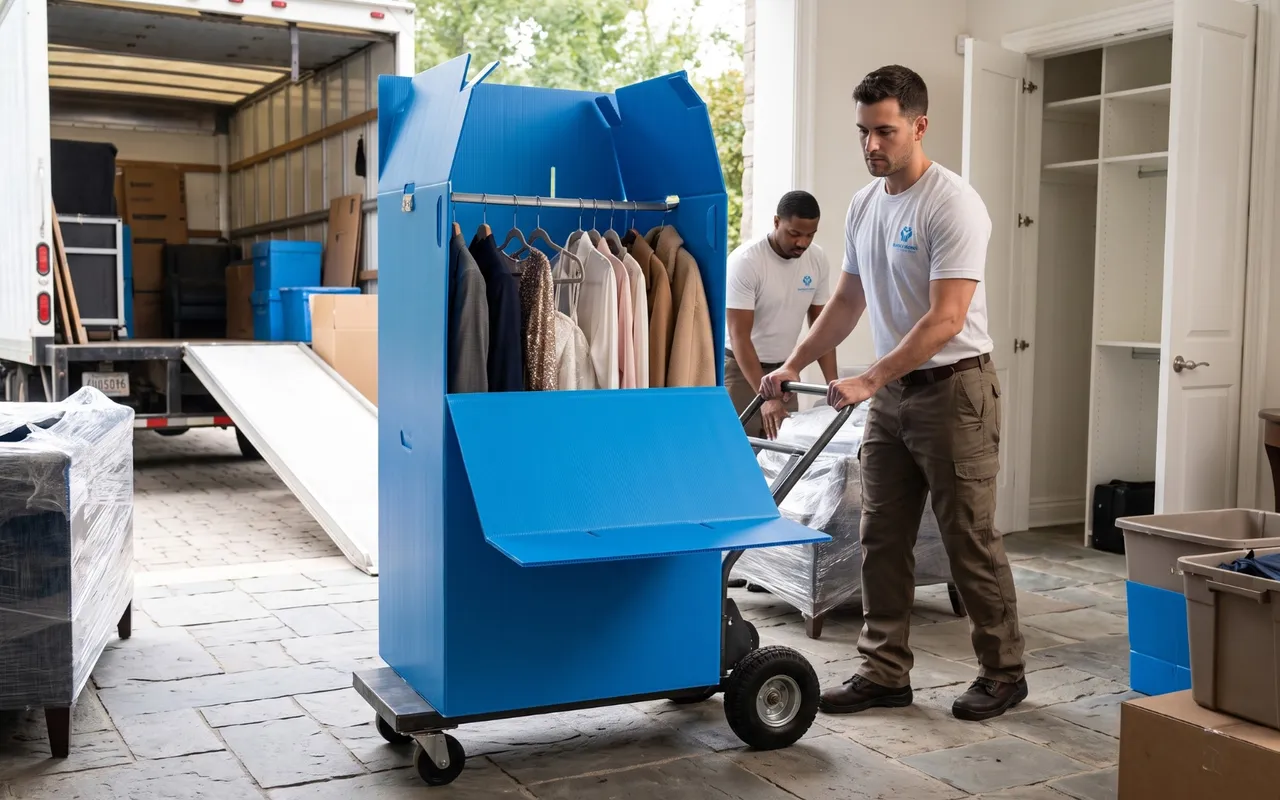
In a residential move, a handful of items carries most of the risk: tailored suits, evening gowns, wool coats, designer pieces. They generate the majority of damage claims, and usually the most expensive ones.
The reason is simple: these pieces are high in value, fragile in structure, and the client knows exactly what condition they handed them over in.
Why cardboard is not enough
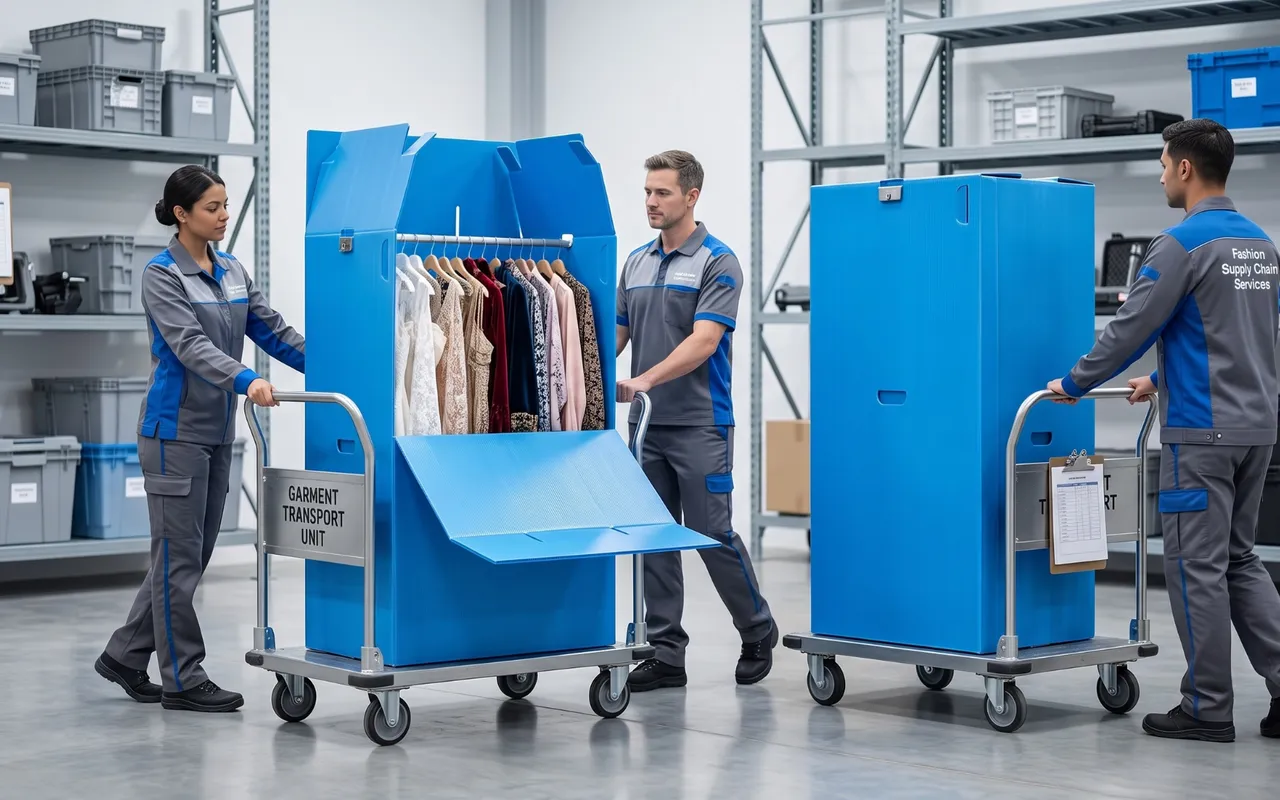
Cardboard creates three compounding problems. It forces folding, when these garments are designed to hang vertically. It sags under weight, crushing whatever sits underneath. And it lets moisture through, which is enough to mark wool or silk.
On an ordinary garment those flaws go unnoticed. On a lined suit or a structured gown, each one leaves a visible mark the client will spot immediately.
The precautions that prevent claims
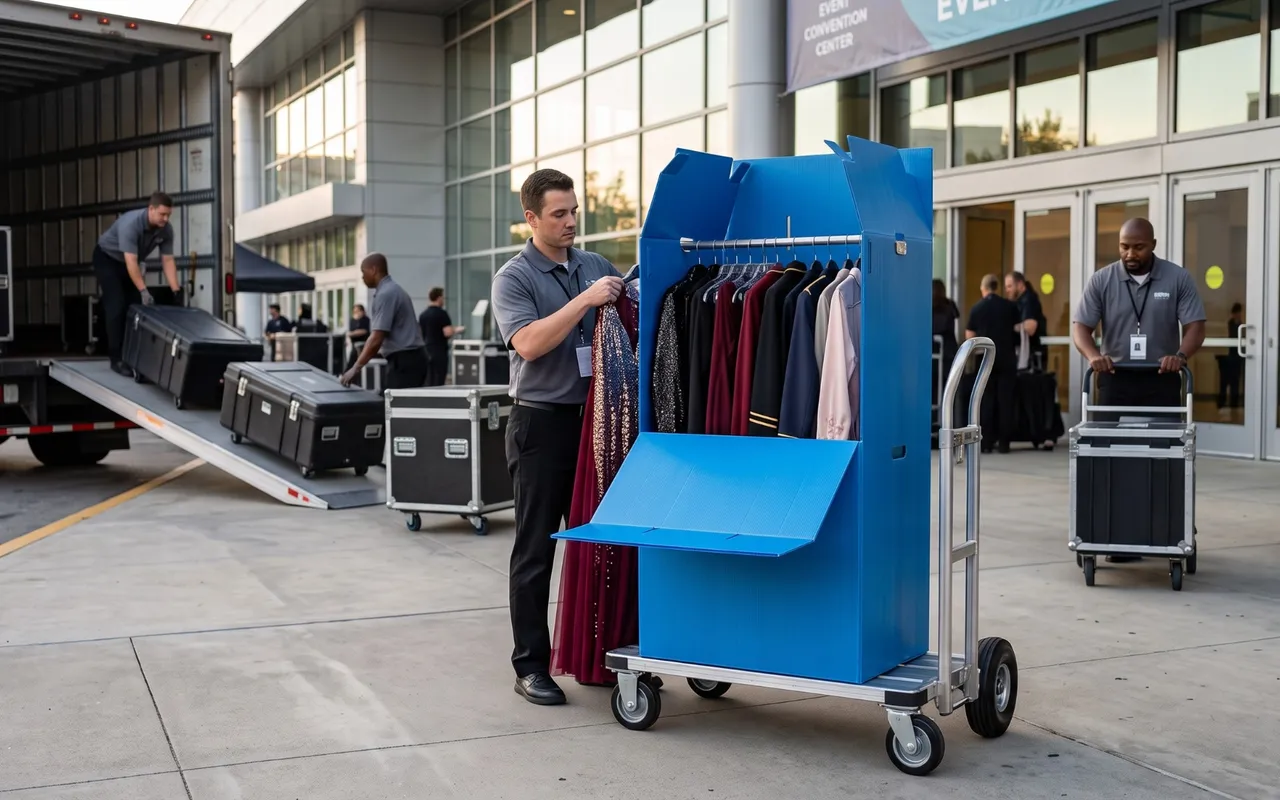
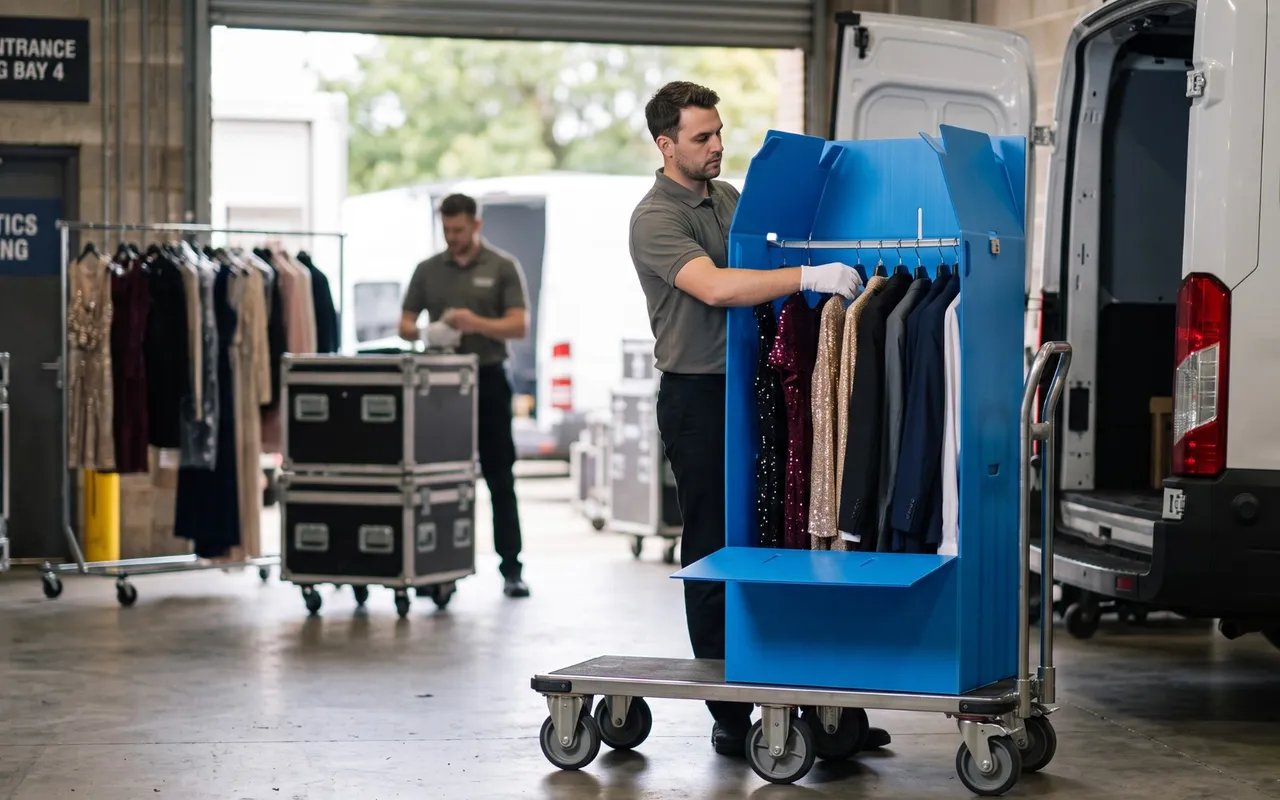
- Move them on hangers, in a rigid enclosed container
- Limit density: never compress shoulders or collars
- Use wide hangers for jackets, never wire hangers
- Button jackets and close dresses to preserve their shape
- Load last, unload first, always upright
- Separate pieces with zippers or beadwork from fine fabrics they could catch
The riskiest moment is loading
Most damage does not happen on the road, but during loading and unloading. That is when a container gets set on the ground, stacked under furniture or squeezed into a space that is too tight.
Reserve a zone of the truck for clothing, ideally against a wall with nothing on top. That simple discipline removes most incidents.
Protection you can document
Using a container dedicated to clothing has an often-overlooked benefit: it demonstrates the care taken. In a dispute, the difference between "we put them in cartons" and "they travelled hanging in rigid containers designed for that" is considerable, both with the client and the insurer.
Mention it in your quote or service confirmation: it reassures up front and protects you afterwards.
The takeaway
Delicate pieces do not take more time, they take a different method. Hanging, spaced out, in a rigid container kept upright: that is all that separates a flawless delivery from a claim.
Protect your clients' delicate pieces: ask for volume pricing.